
May 20, 2026
Structural Upgrades That Make or Break a Pool: What Most Builders Overlook
Waterproofing behind tile, epoxy grout, and correctly treated cold joints — the structural details that determine a pool's long-term durability.
By josh@naamancreative.com · May 20, 2026 · Builder Insight
When it comes to building or remodeling a pool, the visual finish often gets all the attention — tile, plaster color, coping, and decking. But the long-term performance of a pool has far more to do with what you don’t see. There are a few critical structural upgrades that can dramatically improve durability, reduce maintenance, and prevent costly issues down the road: proper waterproofing, epoxy grout, and correctly treating cold joints.
1. Waterproofing Behind the Tile: A Hidden Game-Changer
Most pools rely solely on the plaster or interior finish as their waterproofing layer. While this is standard practice, it leaves the tile line and bond beam vulnerable over time. Applying a waterproofing membrane behind the tile creates a secondary barrier with two major benefits.
Reduces calcium scale formation. Water migrating through the shell can carry minerals to the surface, leading to calcium buildup along the tile line. Waterproofing minimizes this movement, helping keep tile cleaner and reducing long-term maintenance.
Prevents hidden leaks. Tile cracks, grout failures, and minor structural shifts can allow water intrusion. A waterproofing layer acts as a backup defense, helping prevent slow leaks that can otherwise go unnoticed until they become expensive problems.
For homeowners planning a remodel, this is one of the highest-ROI upgrades available — especially if you’re already replacing tile.
2. Epoxy Grout: Small Detail, Big Impact
Grout might seem like a minor detail, but it plays a major role in both appearance and longevity. Traditional cement-based grout is porous, which means it can absorb water, stain, and break down over time. Epoxy grout, by contrast, offers superior water resistance (virtually non-porous, helping prevent water intrusion behind tile), stain resistance (holds its color and resists discoloration from chemicals and minerals), and increased durability (less cracking, shrinking, or deterioration over time).
While epoxy grout comes at a higher upfront cost, it significantly reduces maintenance and extends the life of a tile installation. For high-end builds or long-term ownership, it’s a smart upgrade that pays for itself.
3. Cold Joints: Where Problems Start if Ignored
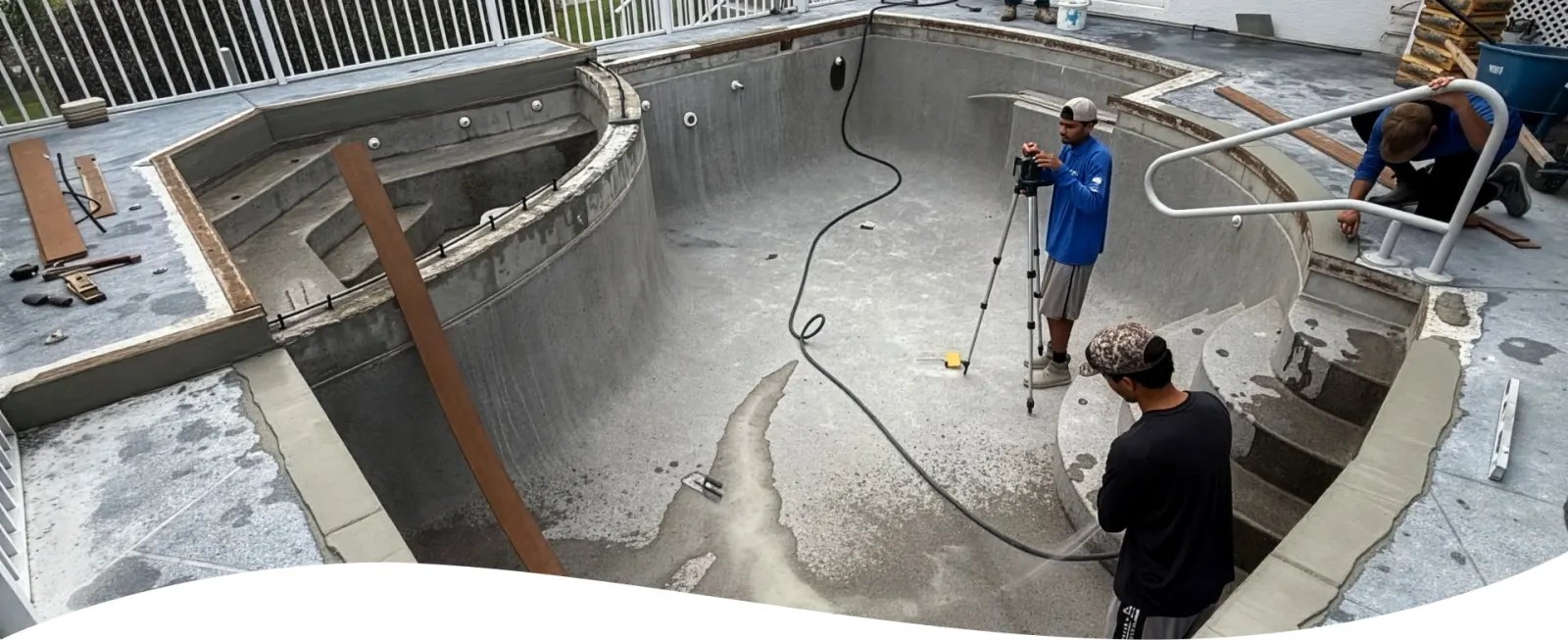
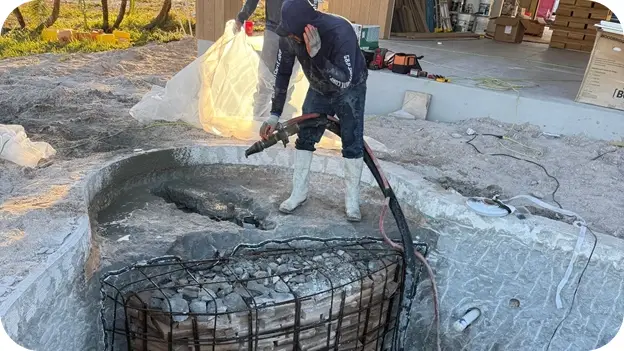
Cold joints occur where two separate concrete pours meet. These are common in remodels — such as when adding a spa, extending a pool, or modifying structural elements — but can also appear in complex new builds. If not handled properly, cold joints become weak points in the structure and prime locations for leaks.
A proper cold joint treatment should include thorough cleaning (removing debris, laitance, and contaminants to expose sound concrete), bonding agents (ensuring the new material properly adheres to the existing structure), and waterstops (creating a physical barrier to prevent water from traveling through the joint). Skipping or rushing this process is one of the most common causes of long-term structural issues in pools. Done correctly, a cold joint can be just as strong and watertight as the original shell.
Final Thoughts
The difference between a pool that lasts 30 years and one that develops issues in 5 often comes down to these behind-the-scenes details. Waterproofing behind the tile, upgrading to epoxy grout, and properly treating cold joints aren’t flashy upgrades, but they are foundational. Whether building new or remodeling, prioritizing these elements protects your investment, reduces maintenance headaches, and helps ensure a pool performs the way it should for years to come. If you’re planning a project and want guidance on incorporating these upgrades, working with a builder who prioritizes structural integrity — not just aesthetics — makes all the difference.
References
This article draws on Pool Pros Construction's own published process and project pages, not third-party sources:
See it built
Ready to talk about your own pool?
Tell us about the space you have and the pool you're picturing — we'll take it from there.